The Ultimate Guide to AED Inspection:
Requirements, Checklists, and Compliance
What is an AED Inspection?
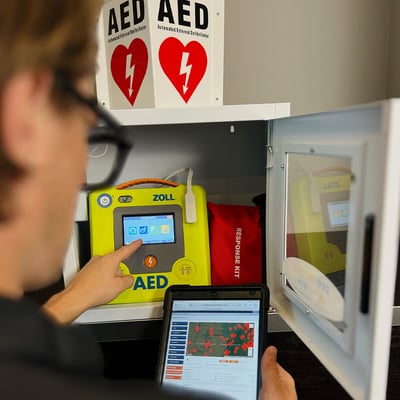
To perform a proper AED inspection, verify that the device's visual status indicator is green (or showing "ready"), check that the battery and electrode pads are unexpired, and ensure the unit is undamaged and easily accessible. Regular AED inspections, typically conducted monthly, are a critical requirement to ensure the defibrillator is fully functional and legally compliant for emergency use.
Having an Automated External Defibrillator (AED) on-site is a vital step toward protecting your team, customers, or congregation from Sudden Cardiac Arrest (SCA). But simply hanging an AED on the wall and forgetting about it creates a dangerous false sense of security.
AEDs are life-saving medical devices that require consistent, documented maintenance. A dead battery or dried-out electrode pad can mean the difference between life and death. In this guide, we will break down exactly how to conduct a compliant AED inspection, what to look for, and how to simplify the process.
Why Regular AED Inspections Matter
When someone experiences sudden cardiac arrest, every minute counts. The survival rate drops by 7-10% for every minute without a shock from a defibrillator. If your AED fails during an emergency because it wasn't maintained, the consequences are devastating.
Beyond the immediate life-safety risk, there are strict legal and compliance reasons to inspect your AEDs:
- Good Samaritan Laws: Most states offer liability protection for organizations that deploy AEDs, but this protection is frequently contingent on the device being maintained according to the manufacturer’s guidelines. If you fail to inspect your AED, you may forfeit this legal protection.
- OSHA and Industry Standards: While OSHA encourages AEDs in the workplace, they strictly emphasize the need for a written maintenance program and regular inspections if a device is deployed.
- Device Recalls and Updates: AEDs are FDA-regulated Class III medical devices. Routine inspections ensure you catch required software updates or manufacturer recalls in a timely manner.
How Often Should You Inspect an AED?
While most modern AEDs perform automated daily or weekly internal self-tests, a manual, visual AED inspection must be conducted at least once a month. Many organizations also choose to do a quick visual check daily or weekly just to ensure the cabinet hasn't been tampered with and the green "ready" light is blinking. However, a comprehensive monthly inspection is the universally accepted standard for compliance.
Step-by-Step: How to Perform a Monthly AED Inspection
Whether you are inspecting a ZOLL, Defibtech, Physio-Control, or Philips AED, the core principles of an AED inspection remain the same. Follow these steps to ensure your device is rescue-ready.
Step 1: Check the Status Indicator
Without opening the device or turning it on, look at the visual status indicator.
- A blinking green light or a green checkmark indicates the device has passed its automated self-tests and is ready.
- A red "X", a flashing red light, or a chirping sound indicates a critical error (usually a low battery or disconnected pads). This requires immediate troubleshooting.
Step 2: Inspect the Cabinet and Exterior
Ensure the AED cabinet is visible, unobstructed, unlocked, and clearly marked with AED signage. Check the AED housing itself for any physical damage, cracks, dirt, or moisture.
Step 3: Verify Battery Status and Expiration Dates
An AED battery typically lasts between 2 to 5 years, depending on the model. Check the expiration or "install by" date printed on the battery. If the battery is nearing its expiration date, order a replacement immediately. Never leave an expired battery in an AED.
Step 4: Inspect the Electrode Pads
AED electrode pads utilize a specialized gel adhesive to stick to the victim's chest and conduct electricity.Over time, this gel dries out.
- Check the expiration date printed on the outside of the pad packaging (typically 2 to 4 years from manufacturing).
- Ensure the packaging is completely sealed. If the seal is broken, the pads are compromised and must be replaced.
- Verify that the pad cables are plugged into the AED (if your specific model requires pre-connection).
- If your facility requires pediatric pads, verify their expiration dates as well.
Step 5: Inventory the Rescue Kit
Every AED should be equipped with a rescue kit (often attached to the strap or kept inside the cabinet). Verify that the kit contains:
- Trauma shears / scissors (to cut away clothing)
- A razor (to shave excessive chest hair for pad adhesion)
- A CPR barrier mask / face shield
- Nitrile gloves
- Absorbent wipes or a towel (to dry the victim's chest)
Step 6: Document the Inspection
An inspection didn't happen if it isn't documented. Record the date, the inspector's name, the status of the device, and the expiration dates of the pads and batteries.
Managing Your AED Program: Beyond the Clipboard
Whether you are a small church or you are managing dozens or hundreds of AEDs across multiple corporate campuses, relying on a spreadsheet and paper logs is a massive liability. People forget, clipboards get lost, and batteries expire silently.
The Premedics Turnkey Solution
At Premedics, we believe that tracking expiration dates shouldn't be your full-time job. Our professional AED Management Subscriptions automate the entire compliance process:
- Wireless Monthly Status Checks: We monitor your AED's readiness remotely throughout the month.
- Automatic Supply Replacements: We ship you new pads and batteries before they expire. Some subscriptions include replacement onsite by Premedics.
- Medical Oversight & Record Keeping: We handle the legal compliance, medical direction, and EMS notifications required by your state.
Frequently Asked Questions (FAQ)
Can I turn on the AED to test it?
Most manufacturers advise against turning the AED on and off manually just to test it. Turning the unit on drains the battery significantly. Instead, rely on the visual status indicator, which reflects the results of the device's internal self-diagnostics.
What happens if I use the AED pads?
AED pads are strictly single-use. If they are used in an emergency, or even if the package is opened but the pads aren't used, they must be discarded and replaced immediately.
Who is qualified to perform an AED inspection?
Anyone can perform an AED inspection; no special medical certification is required. However, the organization should formally designate an "AED Coordinator" to ensure the inspections are completed consistently and accurately every month, or instead of designating an AED coordinator, have a Premedics wireless AED subscription that includes monthly AEd status checks and annual inspection by Premedics
Ready to Close the Readiness Gap?
If you are tired of tracking expiration dates on a spreadsheet, or if you want help building a fully compliant AED program (device + training + readiness plan), Premedics can guide your placement, supplies, and wireless monitoring options.
Talk to a specialist today to learn how we can take the burden of AED inspections off your plate.
Written by Premedics, pioneering the AED management space since 1998.