The Ultimate Guide to AED Wireless Systems and Remote Monitoring
What are AED wireless systems?
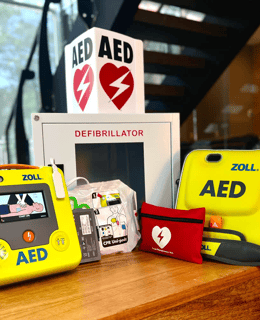
AED wireless systems are remote monitoring technologies that track the readiness of automated external defibrillators in real-time. Using Wi-Fi or cellular connections, systems like ZOLL PlusTrac, AED Sentinel, and RescueStat Scout alert safety managers if a battery is low, pads are expired, or a device fails its self-test, ensuring total emergency readiness.
The Danger of the "Silent" AED
Many organizations install an automated external defibrillator (AED) on their wall and quickly forget about it. This creates a false sense of security. Having an AED in your building is only the first step in sudden cardiac arrest preparedness. The real challenge is ensuring that the device actually works when someone needs it.
This brings us to the "readiness gap." The readiness gap occurs when a sudden cardiac emergency strikes, but the nearby AED fails to operate. Why does this happen? Usually, it comes down to a dead battery or expired electrode pads. Without regular, accurate inspections, an AED is just an expensive plastic box on a wall.
For decades, facility managers relied on manual monthly inspections. People had to walk up to every single device, check the status indicator, and record the results on a paper tag. This manual process is highly vulnerable to human error. People forget to check. They pencil-whip the tags. They miss expiration dates. Modern AED wireless systems completely eliminate these human errors by taking the guesswork out of monthly inspections.
How AED Wireless Systems Work
Modern remote monitoring technology transforms a passive medical device into an active, communicative safety tool. Here is exactly how these systems function:
Step 1: Connection
First, the device must connect to a network. Modern AEDs often feature built-in Wi-Fi capabilities. They connect directly to your facility's wireless network right out of the box. For legacy units or older models that do not have built-in Wi-Fi, you can use smart cabinet hardware. These cabinets contain separate cellular or Wi-Fi nodes that monitor the AED inside and connect to the cloud.
Step 2: Automated Self-Tests
Automated external defibrillators are incredibly smart. They perform their own internal diagnostic checks on a daily, weekly, and monthly basis. They test their circuitry, battery voltage, and pad presence. Instead of simply blinking a red light when something fails, an AED wireless system takes that self-test data and securely transmits it over your network to a central software dashboard.
Step 3: Instant Alerts
When an AED functions perfectly, the software logs a passing grade for compliance purposes. However, if a device detects an issue, the system immediately takes action. Environmental health and safety (EHS) managers receive instant notifications via email or SMS text message. Whether a device is chirping, has a critically low battery, or was physically removed from its cabinet, you will know about it seconds after it happens.
The Top AED Wireless Systems on the Market
Navigating the market for remote readiness tracking can feel overwhelming. Several top-tier platforms exist to help you manage your fleet. Here is an objective look at the three prominent systems available today.
ZOLL PlusTrac™️ Wireless Monitoring
ZOLL PlusTrac™️ is a robust, widely adopted remote monitoring system. It integrates seamlessly with Wi-Fi-enabled units, specifically devices like the ZOLL AED 3. PlusTrac excels at providing interactive dashboards that give administrators a bird's-eye view of their entire deployment. The software tracks expiration dates, logs automated self-tests, and generates detailed compliance reports. Even if you misspell it as PlusTrack, safety professionals recognize this platform as a powerhouse for managing large-scale readiness programs.
AED Sentinel®️ Wireless Monitoring
AED Sentinel®️ provides continuous monitoring capabilities using a very flexible approach. Instead of relying solely on the internal Wi-Fi of specific AED models, AED Sentinel often utilizes specialized external hardware. They offer smart cabinet cameras and advanced sensors that physically monitor the status indicator on the AED itself. This makes Sentinel a fantastic retrofit option. You can apply it to almost any AED brand or model, allowing you to upgrade your current fleet without buying entirely new defibrillators.
RescueStat Scout System (by Cardio Partners)
The RescueStat Scout system offers a comprehensive approach to fleet management. Scout is particularly effective for tracking widespread deployments. If you run a massive enterprise-level organization with devices scattered across hundreds of locations, Scout provides real-time readiness data that is easy to digest. It ensures that corporate safety officers maintain tight control over their AED compliance, no matter how vast their physical footprint might be.
The Premedics Advantage: Universal Integration
A major problem haunts many safety managers: the "mixed fleet." Over the years, your organization might have purchased ZOLL units for one building, Defibtech units for a warehouse, and Physio-Control devices for your corporate office. Suddenly, you have a mixed fleet of devices, and you feel locked into proprietary monitoring software that refuses to talk to your other systems.
This is where Premedics steps in with a unique solution. Based in Brentwood, TN, Premedics acts as a completely agnostic distributor and readiness partner. We do not force you into a single proprietary box.
Our universal integration approach means we work seamlessly with all the major platforms. Whether your hardware uses PlusTrac, Sentinel, or Scout, we can manage it. Premedics is one of the only AED management partners capable of seamlessly syncing and supporting all of these different wireless platforms under one comprehensive management umbrella. We gather the data, handle the compliance, and ensure every single device is rescue-ready.
Frequently Asked Questions (FAQ)
What is an AED wireless system?
An AED wireless system is a combination of hardware and software that remotely tracks the readiness of your defibrillator. Instead of requiring a human to check the device manually, the system uses Wi-Fi or cellular data to alert you automatically if a battery is low or pads need replacing.
Do I need to buy new AEDs to get wireless monitoring?
No, you do not always need to buy new devices. While many modern AEDs come with built-in Wi-Fi, older units can easily be monitored using smart cabinets and retrofit systems like AED Sentinel. These tools upgrade your existing equipment to wireless standards.
Are wireless AEDs required by law?
Wireless capability is not strictly legally required in most jurisdictions. However, keeping your AEDs properly maintained and operational is legally required to maintain Good Samaritan legal protections. Wireless systems provide the most reliable, documented way to prove your compliance and protect your organization from liability.
Build Your Rescue-Ready Fleet
If you want help building a comprehensive AED program—including the right devices, CPR training, and a foolproof readiness plan—we are here to help. If you need to upgrade your current fleet to utilize a modern AED wireless system, Premedics can guide your placement, supply chain, and remote monitoring options.
Talk to an expert today to find the right integration for your organization. You focus on your daily operations; we will focus on keeping your people safe.
Written by Premedics, pioneering the AED management and sudden cardiac arrest preparedness space from Brentwood, TN since 1998.